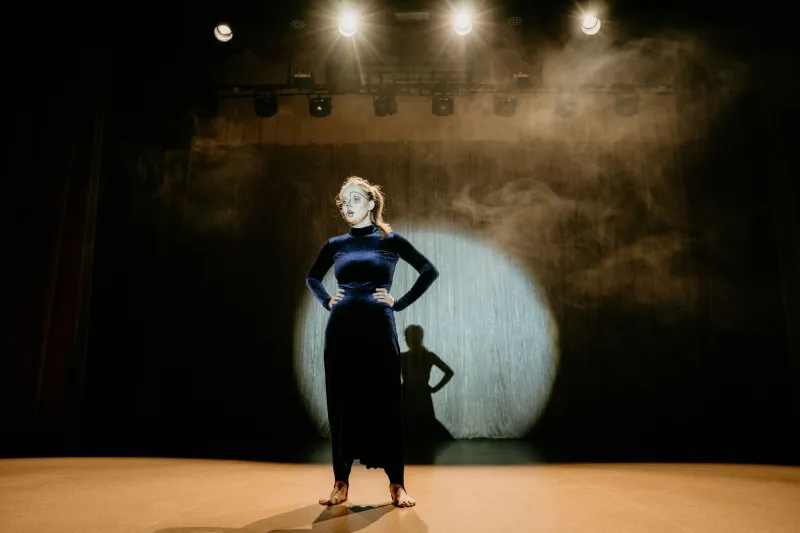
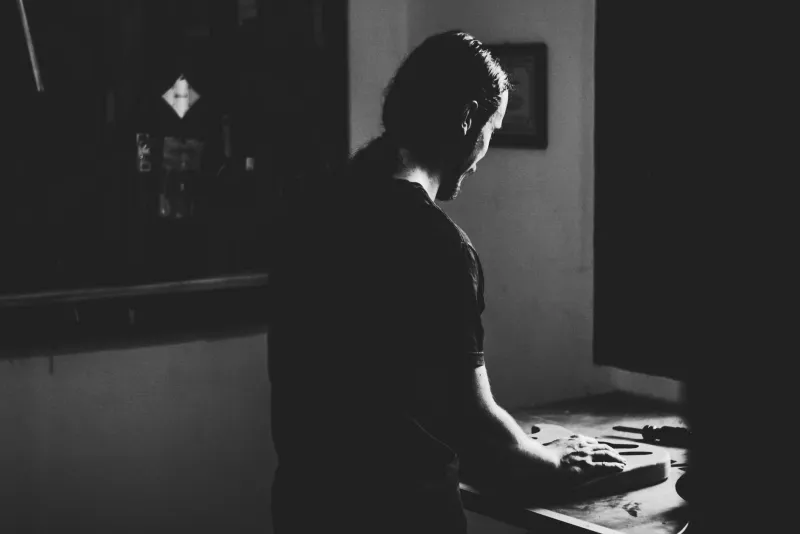
Five Years of Invisible Work and One Night That Looked Like Magic
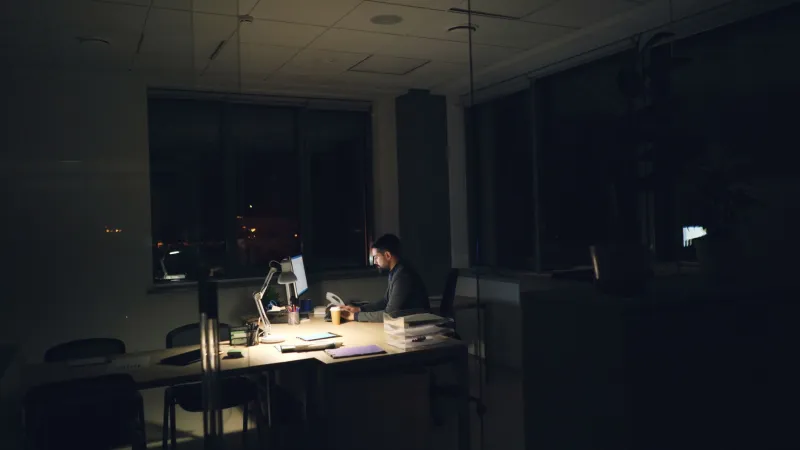
Somebody told me I blew up overnight once. They meant it as a compliment. I smiled, said thank you, and then spent the rest of that evening quietly replaying the last half-decade in my head — the rehearsals that ran until 2 a.m., the gigs that paid in exposure and a free drink, the grant applications I never heard back from, the collaborations that quietly fell apart before they ever became anything.
Overnight. Sure.
There's a particular kind of loneliness that comes with being in the middle of a long creative build. Not the dramatic, cinematic kind of loneliness — just the low-grade, persistent feeling that you are working very hard in a room nobody has found yet. And then one day, seemingly out of nowhere, people find the room. And they assume the room just appeared.
Why Artists Experience Time Differently
Here's something I've noticed: artists tend to live in two simultaneous timelines. There's the internal one, where every single step is logged — every draft, every failed attempt, every small refinement that took three weeks to land right. And then there's the external timeline, the one audiences construct retroactively, which usually starts the moment they first noticed you existed.
Those two timelines almost never match. And the gap between them is where a lot of unnecessary suffering happens.
When you're the one doing the work, five years can feel like both an eternity and a blink. Eternal because you've lived every single day of it. A blink because when you look back, the progression feels almost logical — one thing led to another, the dots connect cleanly in hindsight. But while you were inside it? It felt like wandering.
Psychologists talk about something called the "labor illusion" — the idea that people assign more value to something when they can see the effort behind it. The irony for artists is that most of the effort is invisible by design. The audience doesn't see the rehearsal. They see the performance. They don't see the ten songs you scrapped before you found the one. They hear the one.
The Dangerous Myth We Keep Feeding Each Other
Social media has made the overnight success story not just common but expected. Scroll through any platform and you'll find a hundred clips of someone's "big moment" — the standing ovation, the viral post, the sold-out show. Rarely do those clips come with a five-year prequel.
And because we consume so many of these moments without context, we start to believe that's how it actually works. That talent gets discovered. That the right opportunity just arrives. That if your build is slow and grinding and mostly invisible, something must be wrong with your approach.
Nothing is wrong with your approach. The myth is just lying to you.
I've talked to enough working artists — performers, visual artists, writers, musicians across all different scenes — to know that almost every "sudden" success story has a long, unglamorous backstory. The comedian who went viral had been doing open mics for seven years. The painter who sold out her first gallery show had been selling work out of her apartment for a decade. The actor who landed the breakout role had done regional theater in cities nobody outside the region had heard of.
The breakthrough moment is real. But it's almost always the product of accumulation, not luck.
How to Measure Progress When Nobody's Watching Yet
This is the part nobody really talks about because it's uncomfortable: how do you stay motivated when the external validation hasn't arrived yet?
I don't think the answer is to stop wanting external validation. That's a nice thing to say but it's not honest. We make work to be experienced. Wanting an audience isn't a character flaw — it's a natural extension of why art exists in the first place.
But I do think there's a practice worth developing, which is learning to recognize internal milestones as real milestones. Not as consolation prizes. As actual data.
The first time you do something technically that you couldn't do six months ago — that's a milestone. The first time a stranger engages with your work in a way that surprises you — that's a milestone. The moment you realize you've stopped second-guessing a particular decision in your process — that's a milestone.
None of these make the highlight reel. But they are the highlight reel, just in a format the algorithm can't capture.
The Moment People Finally See You
Here's the strange thing about the moment people finally notice your work: it rarely feels the way you imagined it would. You spend years building toward some version of arrival, and then when something close to it happens, your first instinct is often not euphoria. It's something more like quiet recognition.
Oh. So this is what it feels like when the outside world catches up.
Because inside you, nothing has changed overnight. You're the same person who was doing this work two years ago, three years ago, five years ago. You know exactly how you got here. The work didn't appear out of thin air — you assembled it piece by piece in rooms that felt very small at the time.
The audience sees the destination. You've been living the journey.
And honestly? I think that's okay. I think it might even be the point. The years of invisible work aren't a tax you pay before the real thing starts. They are the real thing. They're where you actually become the artist who can handle the room when it finally fills up.
So the next time someone tells you it happened overnight, just smile. You know what it actually cost. And that knowledge — the full, unedited version of your own timeline — is something no one can take away from you.