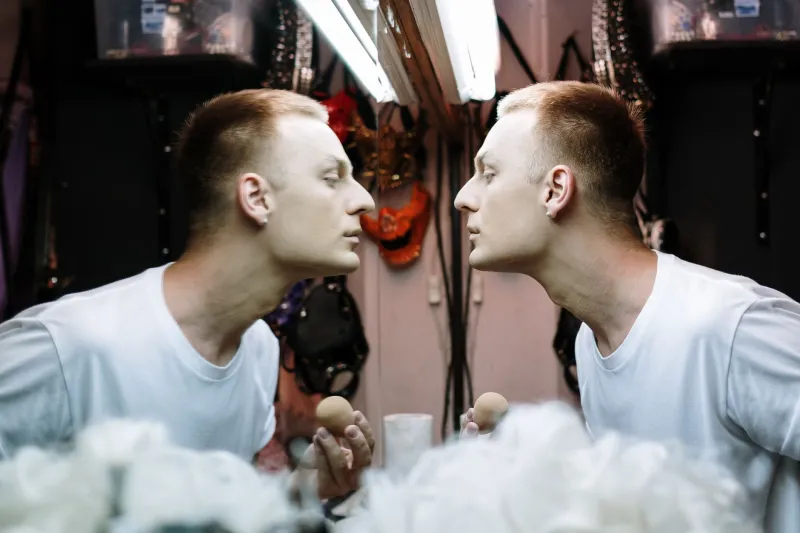
Second String, First Lessons: What Waiting in the Wings Taught Me About Owning the Stage
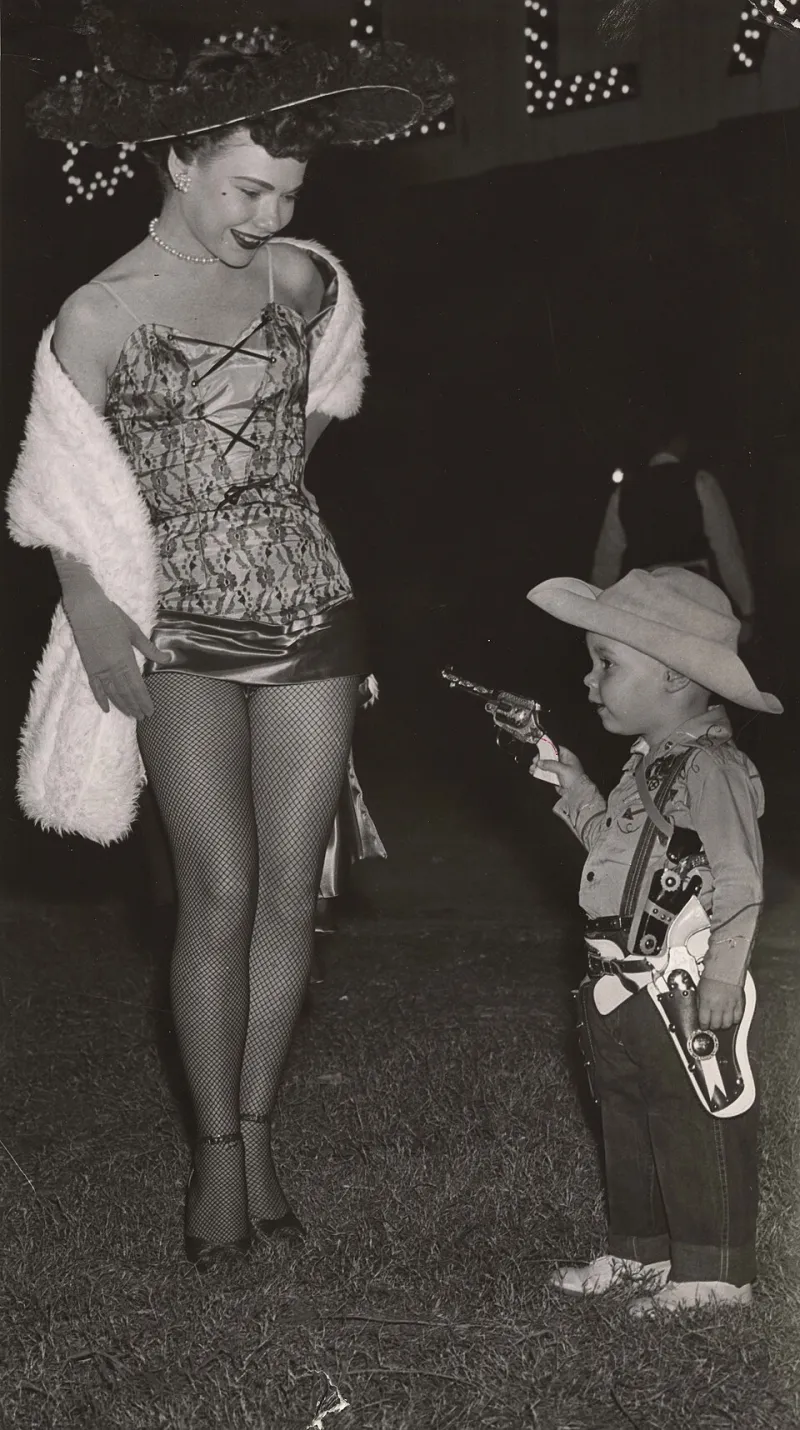
Photo: University of Houston, Public domain, via Wikimedia Commons
There's a particular kind of invisibility that comes with being an understudy. You show up to every rehearsal. You learn every blocking note, every musical cue, every emotional beat. You do all of this knowing, in the back of your mind, that the spotlight might never actually find you. And somewhere in that strange, suspended space between preparation and performance, something unexpected happens — you become really, really good.
I didn't plan to spend a meaningful chunk of my early career as a reserve performer. Nobody does. But looking back now, I can say without any hesitation that those years shaped me more than almost anything else in my artistic life.
The Quiet Education Nobody Talks About
When you're the lead, you're busy being the role. Your attention is split between execution and nerves, between your performance and the audience's reaction. But when you're the understudy, you get to watch — really watch — in a way that's almost clinical. You notice how the lead handles a missed cue. You see where the audience laughs unexpectedly and how a seasoned performer rolls with it. You observe the difference between a night when everything clicks and a night when the whole show feels like it's held together with tape and prayer.
That kind of observational learning is invaluable, and honestly, it's something most performers only develop after years of stumbling through their own mistakes on stage. I got a shortcut, even if it didn't feel like one at the time.
I remember one particular production — a regional musical where I was covering the female lead — where the principal performer and I had completely different interpretations of the same character. Hers was bigger, louder, more theatrical. Mine was quieter, more internal. For weeks I second-guessed myself, wondering if I needed to match her energy in case I was ever called up. Then one afternoon, our director pulled me aside and said something I've never forgotten: "Your job isn't to be her. Your job is to be ready to be you."
That sentence cracked something open in me.
The Pressure That Doesn't Crush You
Here's the paradox that nobody prepares you for: the possibility of going on at any moment is both terrifying and quietly liberating. You can't afford to coast. You can't let your focus drift during a run because you're not technically performing tonight. The role lives in your body constantly — in the shower, on your commute, during dinner. You are perpetually in a state of readiness that most leads only hit on opening night.
That sustained pressure, rather than burning you out, builds a kind of resilience that I don't think you can manufacture any other way. It's like the difference between cramming for a test the night before versus studying consistently for a month. When the moment comes — and eventually, it does come — you don't perform from adrenaline alone. You perform from deep, settled knowledge.
The night I finally went on for that regional production, the lead had a family emergency and I got the call four hours before curtain. I drove to the theater with my hands shaking on the wheel. And then something strange happened: the moment I stepped into the lights, the shaking stopped. My body just knew. Every choice I'd made in the privacy of my own preparation was right there, fully formed, waiting.
I cried in my car afterward — not from relief, but from the shock of realizing I'd been ready for much longer than I'd believed.
Being "Second Choice" as Creative Freedom
There's an underrated freedom in not being the one everyone is watching. When you're the understudy, the stakes feel impossibly high in theory, but in practice, nobody has strong expectations of you. The audience doesn't come for you. The critics aren't reviewing your interpretation. That absence of expectation is a gift, even if it stings at first.
Some of my most authentic creative work happened when I finally stepped into roles without the weight of being the obvious, anticipated choice. I wasn't performing against anyone's mental image of how it should go. I was just performing — honestly, specifically, in my own voice.
I've talked to other performers who spent time in understudy or swing positions, and almost all of them say some version of the same thing: it made them more adaptable, more humble, and ultimately more confident than they ever expected. Not the shiny, surface-level confidence of someone who's always been the star — but the quieter, sturdier kind that comes from knowing you can handle whatever the stage throws at you.
What the Wings Really Teach You
If you're in a reserve or understudy role right now and it feels like a dead end, I want to offer you a different frame. The wings are a classroom. The waiting is the curriculum. Every show you watch from the side of the stage is building a foundation that the leads — as talented as they are — don't always get to build.
You're learning patience. You're learning observation. You're learning that preparation is its own kind of performance, one that nobody applauds but everybody eventually notices.
And when your moment comes — because it will — you won't just step into the light. You'll already be carrying it with you.